One question, through many hands.
One question,
through many hands.
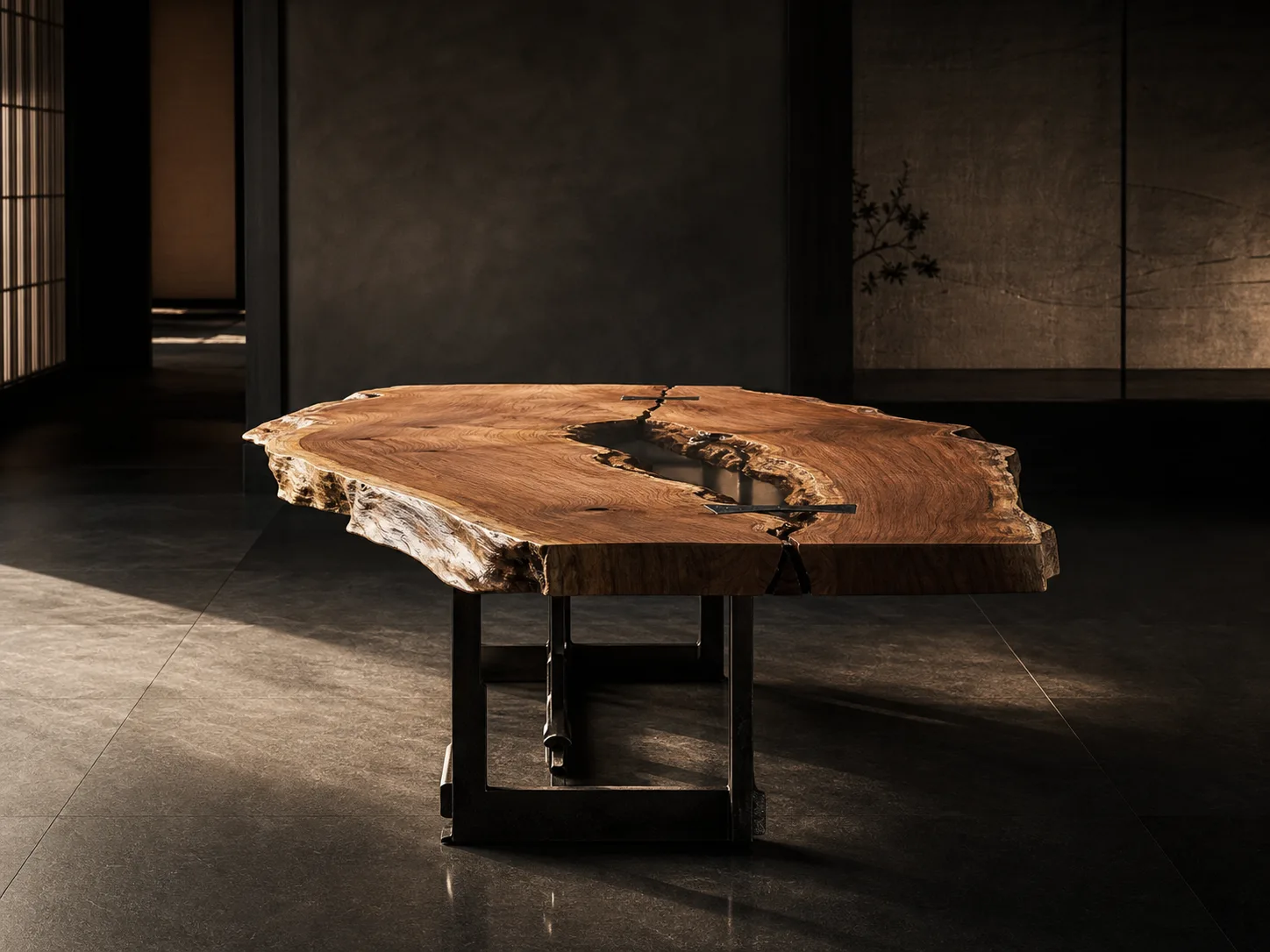
An artist sits before a single slab of wood. Beside him: one who joins timber, one who forges iron, one who pours resin. No piece of MAKOTO furniture is born of one pair of hands alone.
the Artist
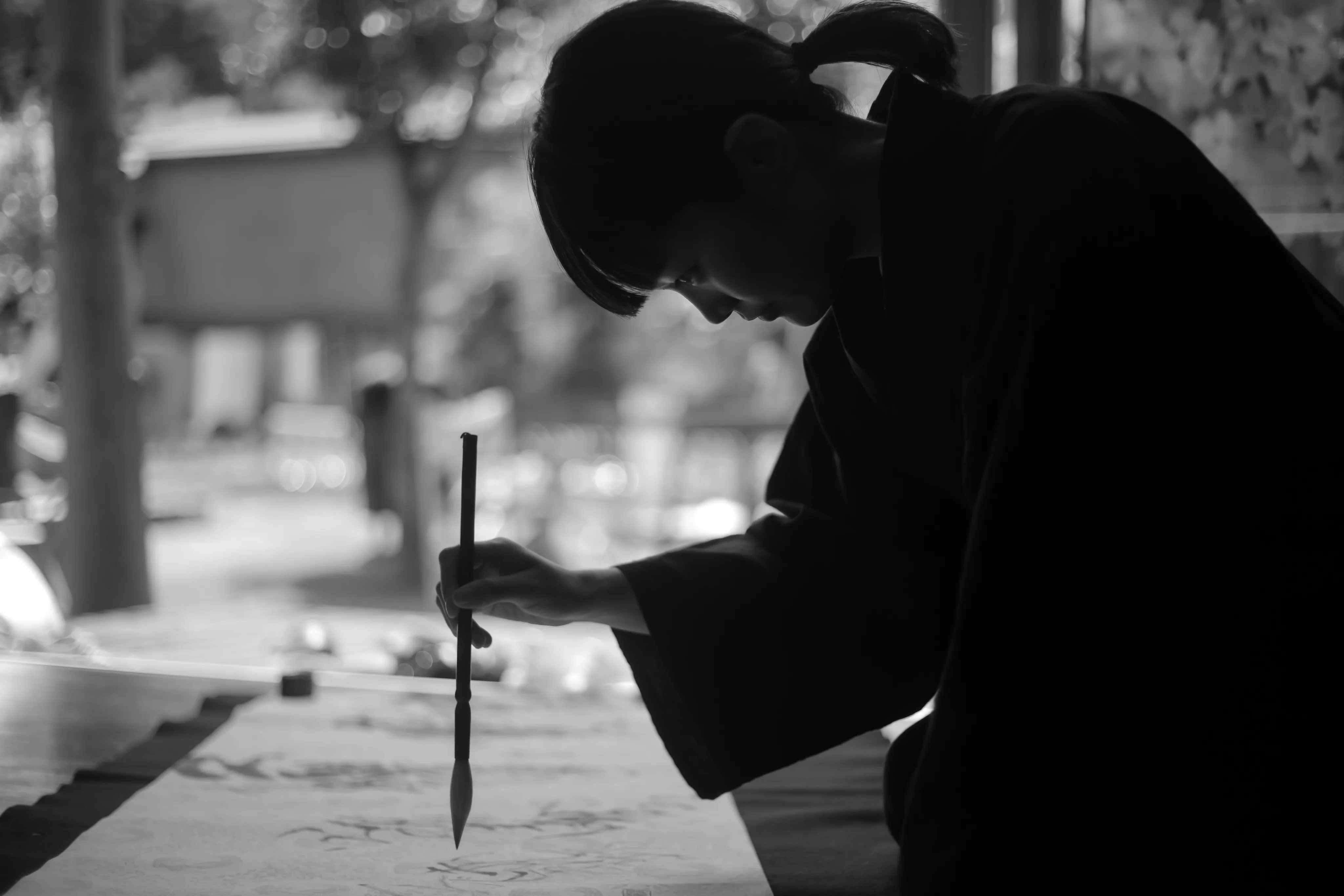
Kenshin is a calligrapher and contemporary artist, counted among Japan's finest hands. His work spans shrine tablets and collaborations with brands at home and abroad, and his practice now reaches across borders — from solo exhibitions overseas to commissions from around the world.
At MAKOTO, he stands at the origin of every piece. He selects the timber, draws the vision, and passes it to the craftsmen. Then, at the very end, he inscribes the signature with his own hand.
The wood is not something I give anything to. It is already there — my only question is how to receive it.
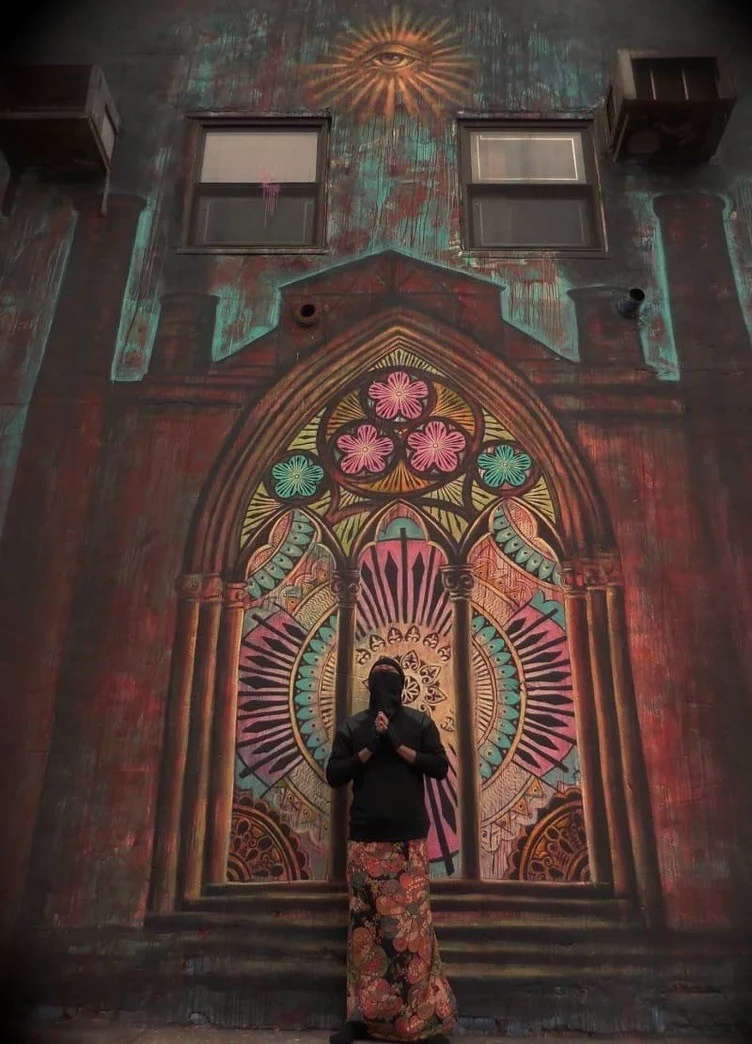
Calligrapher / Contemporary Artist
憲真
Kenshin
How MAKOTO Came to Be
-
The Question A question, from a single tree
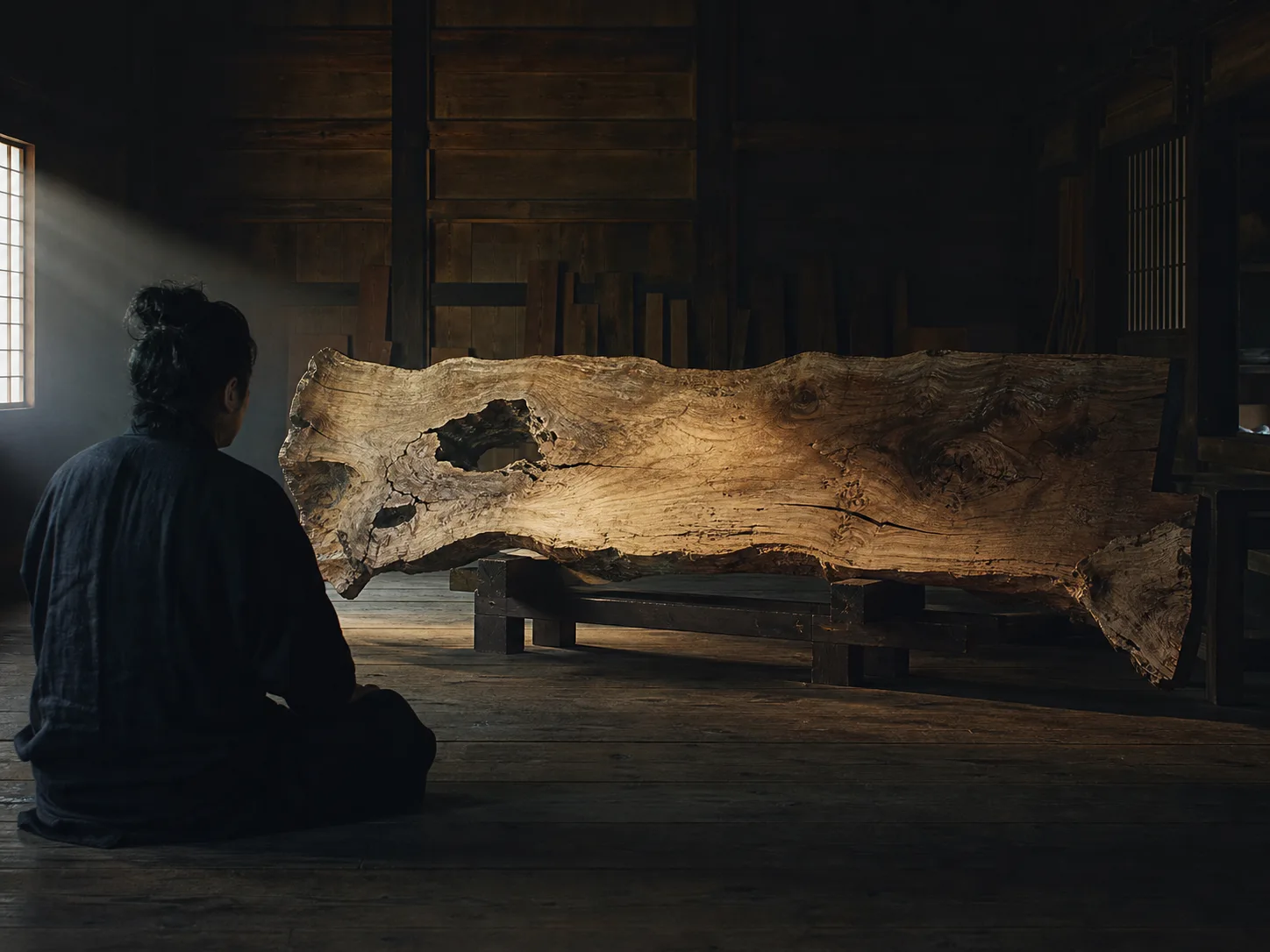
It began with an encounter — a single piece of fine timber, hollowed and cracked, judged to be worth nothing. Yet within it lay time layered long before any of us were born. Should human hands be the ones to let it end?
The vision was born as an answer to that question: to let a single slab stand again — as furniture to be used, and as a singular work of art. This is where MAKOTO began.
-
The Hands Four crafts, crossing paths
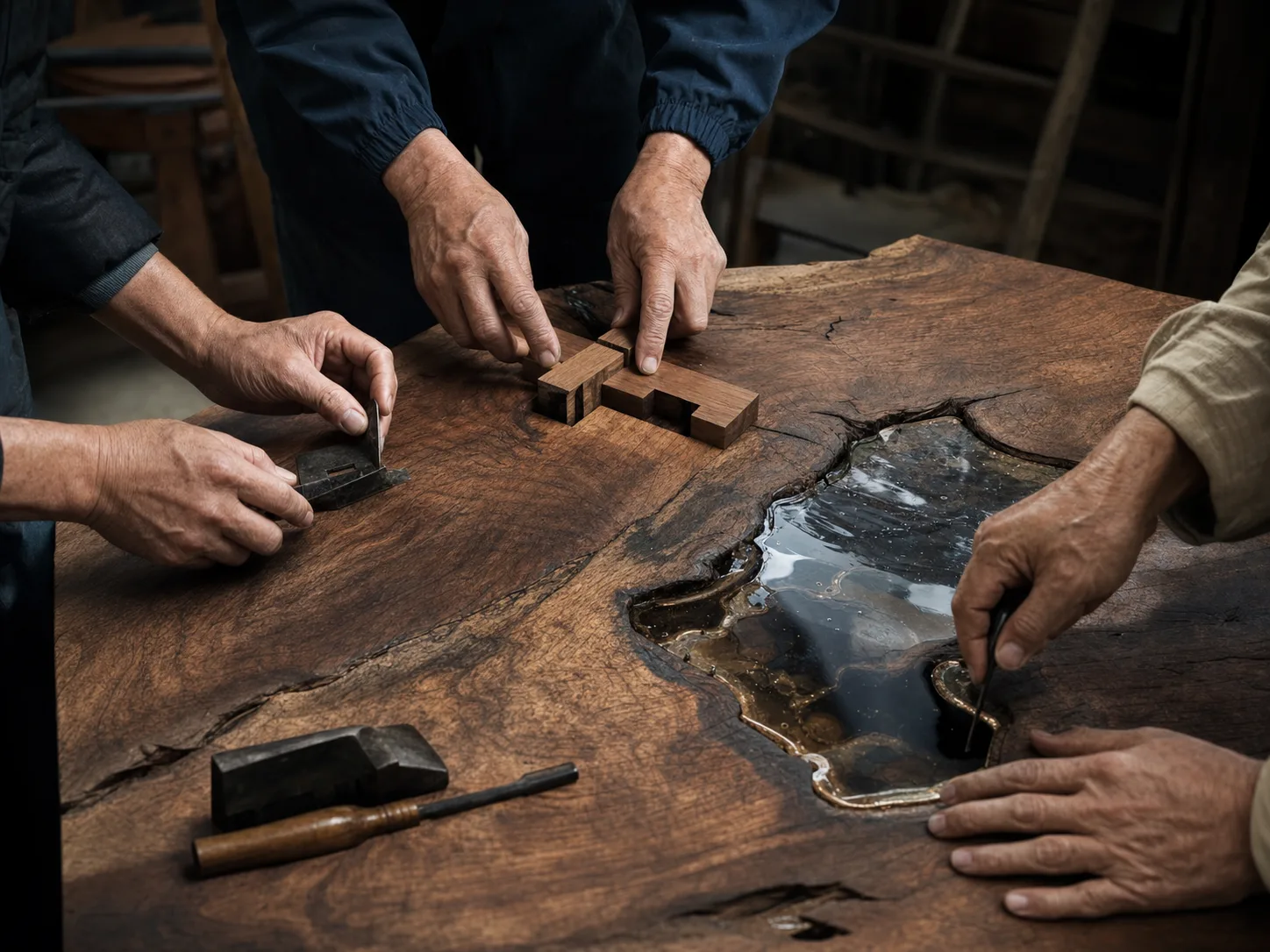
The vision alone was not enough — no single pair of hands held all the skills to realize it. Temple carpenters join the timber, supporting the structure without a single nail. Blacksmiths forge the fittings. And resin artisans fill the hollows and cracks with transparent resin.
Kenshin draws the vision and writes the signature; the craftsmen give it form. Hands that had walked separate paths came together over a single piece of timber.
-
One Piece Toward a one-of-one work
Old crafts and new became one upon a single slab. The cracks were tended, the hollows filled with clear resin, and the wood regained its strength to stand. What emerged is a work of art that lives in daily life.
At the end, Kenshin inscribes the signature. One stroke — never twice. With that final stroke, the piece goes out into the world.